
Tubal ligation is a permanent method of contraception in which the fallopian tubes are blocked or removed, usually by laparoscopy. Because reversal cannot be guaranteed, the decision should be made only when you are sure you will not want more children. Long-acting but reversible methods such as the hormonal IUD and the contraceptive implant should also be considered.
Key facts
What is tubal ligation?
Tubal ligation ("having your tubes tied") is a permanent method of contraception in which the fallopian tubes, through which the egg travels to the womb, are blocked, cut or removed completely to prevent pregnancy. Today it is usually performed by laparoscopy, that is, through a few small incisions in the abdomen. The method is not designed to be reversed.
The procedure does not touch the ovaries; hormone production, the menstrual cycle and the timing of the menopause stay the same. It simply prevents sperm and egg from meeting. It is not expected to have any direct effect on sexual desire or sex life.
Who is tubal ligation suitable for?
Tubal ligation is an option for women who are sure they do not want more children and who are consciously choosing a permanent method. Women who cannot use hormonal methods, or who are looking for a long-term method, may also ask about it.
In some situations, postponing the decision is advised: if you are young, if you have recently given birth or had a miscarriage or pregnancy loss, if your relationship or life circumstances are uncertain, or if you are making the decision under pressure from someone else. During such periods, reversible long-acting methods can be a temporary solution.
For women who have had previous abdominal surgery, who are significantly overweight or who have heart or lung disease, the risks of laparoscopy and anaesthesia are assessed separately. In these cases, how and where the procedure is carried out is planned accordingly.
What should you consider when deciding?
Research shows that regret after sterilisation is more common when the procedure is done at a young age. For this reason, the consultation covers not only the technical side of the procedure but also the reasons behind your decision and possible future changes.
- Can you imagine any situation in which you might want another child in the future?
- Are you making this decision without haste, having given yourself enough time to think?
- Have you received information about reversible long-acting methods?
- Have you discussed male sterilisation (vasectomy) with your partner?
Written informed consent is obtained before the procedure. Under Turkey's Population Planning Law (No. 2827), sterilisation is performed at the request of an adult when there is no medical objection, and for a married person the spouse's written consent is also required; the paperwork is explained separately at the hospital.
How is laparoscopic tubal ligation performed?
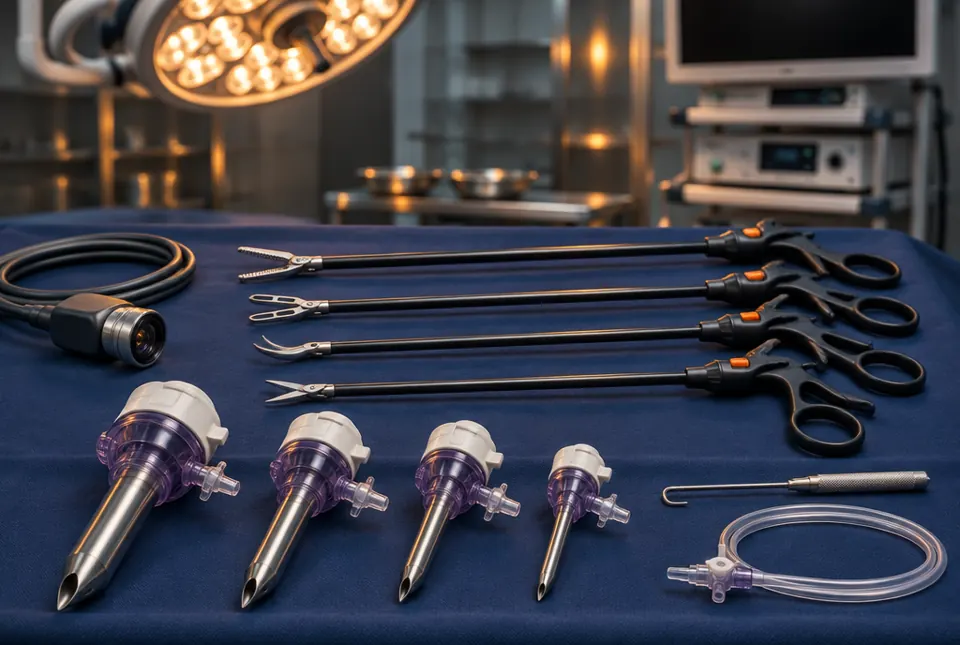
The procedure is usually carried out under general anaesthesia. The tubes are reached with a camera inserted through the navel and instruments placed through one or two small incisions in the lower abdomen. The tubes may be closed with special clips, have a section sealed with heat and cut, or be removed completely (salpingectomy).
In recent years, complete removal of the tubes has been chosen more often. This approach is thought to reduce the risk of some types of ovarian cancer that originate in the tubes; however, with this method the tubes cannot be rejoined. Which technique is suitable is discussed at your consultation.
If planned in advance and consented to, the procedure can also be done during a caesarean section. However, because pregnancy and birth are an emotionally intense time, it is important that the decision has been made before the birth, without haste. It is known that the likelihood of regret may be higher when the procedure is done immediately after birth or after a miscarriage.
What is recovery like after tubal ligation?
Most women go home the same day. In the first few days there may be mild pain at the incision sites, abdominal bloating and shoulder pain caused by the gas used to inflate the abdomen; these usually ease within a few days. Walking helps recovery.
Returning to desk-based work is usually possible within a few days to a week. For heavy lifting and strenuous exercise, wait for the period your doctor recommends. The method is generally effective immediately after the procedure; depending on the technique used, your doctor will tell you whether additional contraception is needed and when to stop your previous method.
The incisions are usually closed with dissolvable stitches, and keeping them dry is enough. A follow-up appointment is usually within one to two weeks; if the tubes were removed, the pathology result is also reviewed at this visit. The first period after the procedure may be a little different from usual.
What are the risks and things to watch for?
As with any operation, tubal ligation has risks:
- Risks related to anaesthesia
- Bleeding, infection at the incision site
- Injury to the bowel, bladder or blood vessels (uncommon)
- Failure of the method and pregnancy (rare; about 1 in 200 over a lifetime)
- A higher chance of ectopic pregnancy if pregnancy does occur
- Later regret
Tubal ligation does not protect against sexually transmitted infections. If after the procedure you have a late period, one-sided lower abdominal pain or unexpected bleeding, take a pregnancy test and contact your doctor.
What long-acting alternatives to tubal ligation are there?
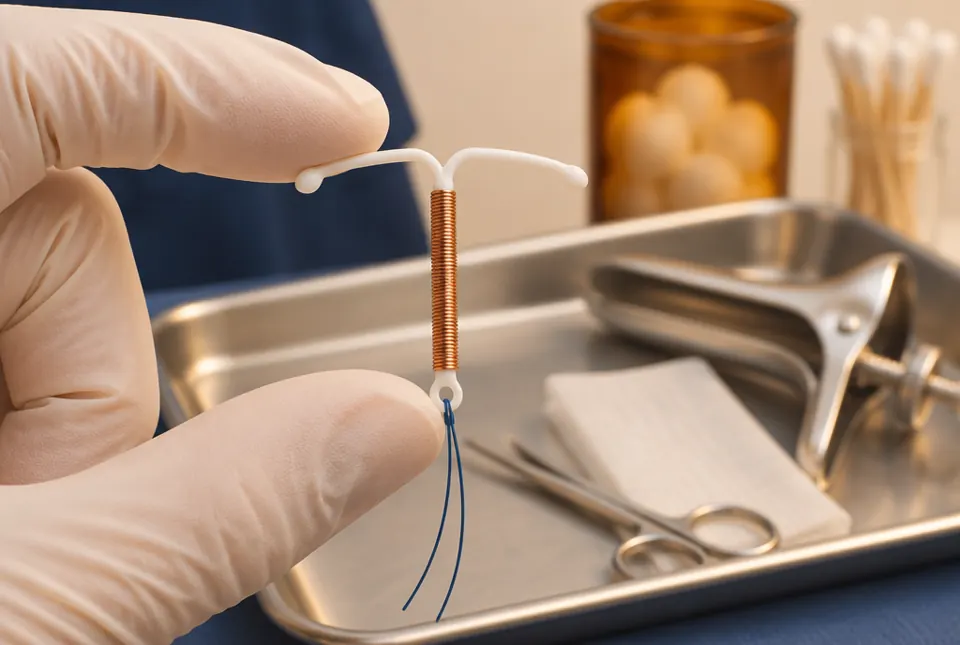
If you are not ready to make a permanent decision, there are reversible methods with effectiveness close to that of tubal ligation. The hormonal IUD is placed inside the womb and, depending on the type, works for several years; it can also make periods lighter. The contraceptive implant is a small rod placed under the skin of the arm and provides protection for several years. After these methods are removed, fertility usually returns quickly.
Which method suits you depends on your health, your expectations and your future plans. Op. Dr. Özlem Katırcı sees patients for tubal ligation and other family planning methods at Özel Erciyes Hastanesi (Erciyes Private Hospital) in Kayseri; for more information, please use the contact page.
Frequently asked questions
Can you get pregnant after tubal ligation?
Tubal ligation is a very effective method, but like any method it is not risk-free. Guidelines report a lifetime pregnancy rate of about 1 in 200. If pregnancy does occur, the chance of it implanting in the tube (ectopic pregnancy) is higher, so a pregnancy test should be done straight away if a period is late.
Does tubal ligation affect periods and hormones?
Tubal ligation does not affect the ovaries or hormone production, and it is not expected to change the timing of the menopause. Women who stop a hormonal method may notice changes in the pattern or heaviness of their periods; this is a result of stopping the previous method, not of the sterilisation.
Can tied tubes be reopened?
In some cases, surgery to rejoin the tubes may be attempted; however, the outcome depends on the remaining length of the tubes, age and other factors, and there is no guarantee of reversal. If the tubes have been removed completely, rejoining them is not possible. For this reason, the decision should be made on the understanding that the procedure is permanent.
Can tubal ligation be done during a caesarean section?
Yes, if it has been planned in advance and consent has been given, tubal ligation can be carried out during a caesarean section. However, because pregnancy and birth are an emotionally intense time, it is recommended that the decision is made before the birth, at a calm time and after a thorough discussion.
When can I return to work after tubal ligation?
Most women return to desk-based work within a few days to a week. Heavy lifting and strenuous exercise usually need a few more days. You can resume sex when you feel ready. The method is generally effective immediately; depending on the technique used, your doctor will tell you whether additional contraception is needed.
This page is for general information; diagnosis and treatment require a medical consultation. Last updated: 23 November 2026