
Menopause is diagnosed in retrospect, once there have been no periods for 12 months after the last one, and for most women it happens between the ages of 45 and 55. Hot flushes, sleep problems, vaginal dryness and bone loss are common changes. Symptoms can be eased with individually suitable hormone therapy or non-hormonal methods; any bleeding after the menopause must always be assessed.
Key facts
What is the menopause?
The menopause is the permanent end of periods as hormone production by the ovaries declines. It is diagnosed in retrospect once there have been no periods for 12 months after the last one. For most women it happens between the ages of 45 and 55; the average age of menopause in Turkey is reported to be slightly earlier than in Western countries.
The menopause is not an illness but a natural stage of life. However, the symptoms that appear during this time can noticeably affect daily life, and most of them can be eased with treatment.
What is perimenopause?
Perimenopause is the transition period of several years before the menopause. It usually begins in the 40s. During this time hormone levels fluctuate; periods may become shorter, longer, skipped or heavier. Hot flushes and sleep problems can start before the menopause itself.
Because ovulation still happens from time to time during perimenopause, pregnancy is still possible. It is also worth remembering that irregular periods are not always due to the menopause; polyps, fibroids or hormonal problems can produce a similar picture. For details, see the irregular periods page.
When periods stop before the age of 40, this is called premature ovarian insufficiency. It is particularly important for bone and heart health and should always be assessed.
What are the symptoms of the menopause?
The type and severity of symptoms vary greatly from woman to woman. Some women have very few complaints, while for others daily life is noticeably affected. Common changes include:
- Hot flushes and night sweats: The most common symptom; a sudden feeling of heat with facial flushing and sweating.
- Sleep problems: With or without night sweats, there may be difficulty falling asleep and staying asleep.
- Mood changes: Restlessness, irritability, anxiety and low motivation can occur.
- Vaginal dryness: Dryness, burning and pain during sex can increase over time.
- Urinary symptoms: Frequent urination, sudden urgency and recurrent urinary tract infections can occur.
- Bone loss: As oestrogen falls, bone density can drop quickly; this usually causes no symptoms but increases the risk of fractures.
Unlike hot flushes, vaginal and urinary symptoms usually do not go away on their own. These symptoms generally respond well to treatment; they are nothing to be embarrassed about or to simply put up with.
What happens at a menopause consultation?
The assessment includes a detailed discussion of your menstrual history, the severity of your symptoms, and your personal and family medical history (breast cancer, blood clots, heart disease, osteoporosis). The womb and ovaries are assessed with a gynaecological examination and ultrasound.
For women over 45 with typical symptoms, a hormone test is usually not needed to diagnose the menopause. At a younger age or in unclear cases, blood tests may be requested. General health measures such as blood pressure, blood sugar and cholesterol are also reviewed at this stage.
Who is hormone therapy suitable for?
Hormone therapy is an option with well-established effectiveness for moderate and severe hot flushes. It also helps to slow bone loss. It is generally recommended to start treatment before the age of 60 or within the first 10 years after the menopause; during this period the benefits are more likely to outweigh the risks.
In women who still have a womb, oestrogen is not given on its own; an additional hormone is needed to protect the womb lining. The method, dose and duration are decided individually and reassessed at regular intervals.
Hormone therapy is generally not recommended in the following situations:
- A history of breast cancer or another hormone-sensitive cancer
- Unexplained vaginal bleeding
- A previous or active blood clot in the leg or lung
- A previous stroke or heart attack
- Active liver disease
In some of these situations, non-hormonal options or low-dose treatments applied only to the vagina may be considered. The decision is made by discussing the risks and your expectations together.
What non-hormonal options are there?
For women who cannot or do not wish to use hormone therapy, there are other options:
- Some non-hormonal medicines that can reduce hot flushes (suitability is assessed after examination)
- Moisturisers and lubricants for vaginal dryness
- Regular exercise, stopping smoking, and cutting down on alcohol and caffeine
- Practical measures such as dressing in layers and keeping the bedroom cool
- Enough calcium and vitamin D and weight-bearing exercise for bone health
Evidence on the effectiveness and safety of herbal products is limited; some can interact with other medicines you take. It is recommended to consult your doctor before using them.
Why does bleeding after the menopause matter?
Any bleeding after the menopause, whatever the amount, should be assessed. It is usually due to a benign cause such as thinning of the vaginal tissue or a polyp. However, thickening of the womb lining and cancer of the womb lining can also first show themselves in this way.
The assessment includes an ultrasound to check the thickness of the womb lining. If considered necessary, a tissue sample is taken or the inside of the womb is examined directly with office hysteroscopy.
What screening should be done around the menopause?
The menopause is a good reminder not to neglect regular health checks. According to the Turkish Ministry of Health screening programme:
- Cervical cancer screening: HPV testing and a smear test every 5 years between the ages of 30 and 65
- Breast cancer screening: A mammogram every 2 years between the ages of 40 and 69
- Bowel cancer screening: A faecal occult blood test between the ages of 50 and 70, and colonoscopy when needed
Bone density measurement is usually done after the age of 65, and earlier for those with risk factors. Monitoring blood pressure, blood sugar and cholesterol also becomes more important at this stage.
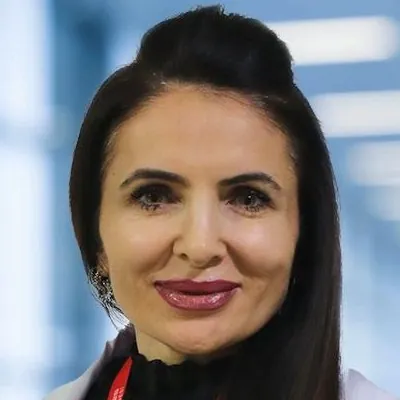
Op. Dr. Özlem Katırcı sees patients for menopause symptoms and postmenopausal check-ups at Özel Erciyes Hastanesi (Erciyes Private Hospital) in Kayseri. For appointments and information, please use the contact page.
Frequently asked questions
How do I know I have reached the menopause?
If 12 months have passed without a period after your mid-40s, the menopause is diagnosed. In this age group a hormone test is usually not needed for the diagnosis. If periods stopped before age 45, or if the picture is unclear, an assessment with blood tests is made.
How long do menopause symptoms last?
Hot flushes last a few years for most women and can continue for longer in some. Vaginal dryness and urinary symptoms, however, do not go away on their own; they usually increase over time and respond well to treatment.
Does hormone therapy cause cancer?
The effect of hormone therapy on breast cancer risk depends on the type and duration of treatment; any increase in risk is generally small and becomes more noticeable with long-term use. For the right person, starting at the right time, the benefits of treatment often outweigh the risks. The decision is made after discussing your personal and family risks.
Is bleeding after the menopause normal?
No. Any bleeding after the menopause, even spotting, should be assessed. It is usually due to a benign cause, but an ultrasound and, if needed, tissue sampling are done so that serious conditions such as cancer of the womb lining can be detected early.
Can you get pregnant during the menopause?
During the menopause transition, ovulation can still happen from time to time even if periods are irregular, so pregnancy is possible. For this reason, it is recommended to continue contraception for 1 year after the last period if you are over 50, and generally for 2 years if you are under 50.
This page is for general information; diagnosis and treatment require a medical consultation. Last updated: 23 November 2026